


Why workplaces need sensory spaces
Sensory processing explained
Sensory processing is the body’s way of receiving, organising and responding to sensory input. For example, if we suddenly switch a bright light on in a dark room, our eyes might feel uncomfortable, and we’ll squint to avoid being dazzled. Or if you’re trying to concentrate in a loud room, you might react by putting in earbuds to dim the noise, so you can focus on the task at hand. That’s the way neurotypical individuals normally process and respond to sensory input. But many people – particularly those of us who are neurodivergent – have different sensory processing needs.
Hypersensitivity and hyposensitivity
Sensitivities generally go two ways. Some people are hypersensitive to sensory stimulation. For them, too much sensory input can cause irritation or distress, potentially leading to overwhelm or shutdown if there’s no opportunity to decompress.
In contrast, some people are hyposensitive. This means they are less sensitive to sensory stimuli than other people, and often need to seek out sensory experiences in order to regulate themselves.
Sensory stimuli in the workplace
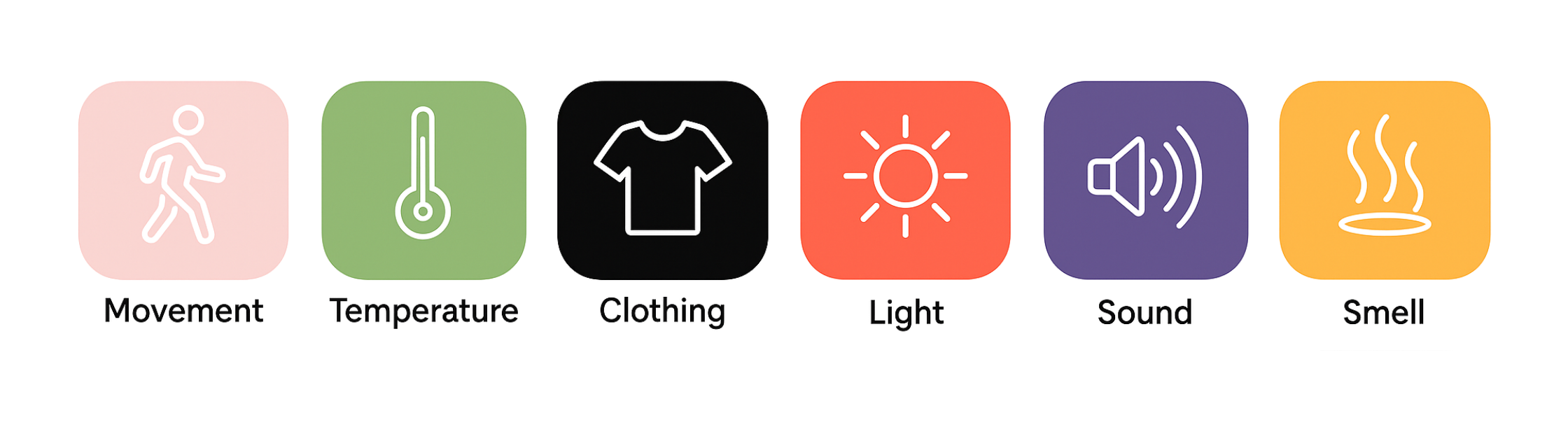
Workplaces can create lots of challenges on the senses. From lighting and decoration to unspecified levels of noise, rigid seating arrangements during long, drawn out meetings, the smell of a colleague’s reheated lunch, uncomfortable business attire and different heating preferences. Situations that cause, at most, mild discomfort to the majority, can play havoc with a hypersensitive or hyposensitive nervous system.
We can’t (and don’t want to) stop people from eating their lunch or having fruitful brainstorming sessions in the office. And it’s impossible to find room temperatures and lighting arrangements that suit everyone. So how can we cater workspaces for a range of sensory profiles?
Adapting the workplace for sensory processing differences
Firstly, take a look at the immediate environment and give your colleagues with sensory processing differences a bit of grace. We’re not talking about preferences here – we’re talking about environments that can feel unbearable, and could potentially cause harm if unaddressed.
Simple tweaks can make all the difference.
- Change that flickering lightbulb.
- Ask people to shut the door when they’re microwaving their leftovers.
- Take conversations and chatter away from shared desk spaces.
- Provide blankets for those soothed by warmth, weight and texture.
- Create a work culture that recognises these needs.
Stepping away from sensory overwhelm
Even with the best intentions, some hypersensitive or hyposensitive employees are probably still going to encounter sensory overwhelm at times. The quickest way to decompress and regulate emotions is to step away from the situation. Speaking from experience, sloping off to the toilet to get a bit of peace is sometimes the only option, which is alienating, not to mention humiliating…
The hidden cost of sensory overwhelm in the workplace
Without the opportunity to fully return to a regulated state, individuals can get overloaded and experience not just stress, anxiety and irritability, but physical responses like migraines, dizziness, and nausea. This is bad for the individual, and bad for the workplace, because it can result in:
- Productivity losses
- Sickness
- Decreased morale
- A hostile environment
- Poor communication
Creating a sensory space in the workplace, where people can escape to get the sensory input they need to self-regulate and decompress, can contribute to a more positive working environment.
Sensory spaces for different needs
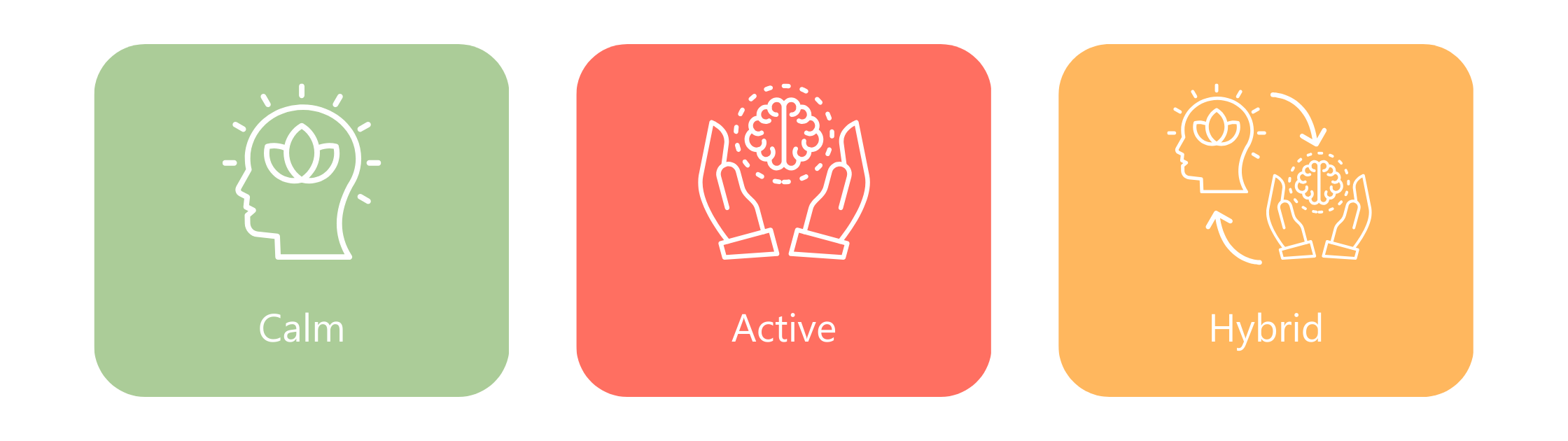
There are three types of sensory rooms: active, calming, or hybrid spaces. A hyposensitive individual would need an active space where they can seek out sensory input to regulate. A hypersensitive individual would benefit from a calming room with reduced sensory input. You can also create blended sensory spaces with combined elements that cater for a range of sensory needs. The option you go for largely depends on your budget and space.
How to design a sensory space for neurodivergent employees
When designing an immersive and inclusive sensory space, start with where to put it. You’ll need to pick a location that’s easy to find, especially when under pressure. Additionally:
- Ensure it’s big enough to be a quiet, uncrowded personal space.
- Use muted colours like greens, blues and neutrals for calming spaces.
- Create low-stimulus zones with soothing sounds and absorbent materials.
- Use sound-generating items like chimes for stimulus seekers.
- Use natural or dimmable warm lighting.
- Ensure safe, durable fixtures and clear sight lines.
- Offer customisable resources such as eye masks, headphones, blankets and light-sensitivity glasses.
The benefit of creating sensory rooms in the workplace
Sensory rooms in the workplace help create a more focused, productive, and positive working atmosphere for everyone; giving individuals with sensory needs safe, calming spaces that support wellbeing and mental health and foster inclusivity. With these principles and your requirements in mind, you should be able to start creating safe sensory spaces for your employees to self-regulate in. Before you start designing, don’t be afraid to ask people what they need – their feedback and insights are crucial.
Need help creating or upgrading your sensory space? I can provide you with expert, out-of-the-box insights and ideas.
Subscribe below for new articles, downloadable resources and invitations to free AMAs – all focused on practical, human-centred neuroinclusion.